
The D Three Trophy Schedule: Six Teams, Nine Fixtures, and a Diagram That Doesn't Close
**मुख्य उत्तर:** D Three Trophy एक नया बांग्लादेशी घरेलू T20 टूर्नामेंट है, जो 15 से 31 दिसंबर 2026 तक छह कॉर्पोरेट-ब्रांड टीमों के साथ बारिशाल और मीरपुर में खेला जाएगा; सभी चार प्लेऑफ मुकाबले बारिशाल में होंगे। **मुख्य तथ्य:** - छह टीमें: Acmi, Fortune, Walton, Seven Rings Cement, Citizens Bank, Blue Star — सभी कॉर्पोरेट ब्रांड नाम। - टूर्नामेंट विंडो 15 से 31 दिसंबर 2026; फाइनल 31 दिसंबर 2026 और रिज़र्व डे 1 जनवरी 2027। - लीग चरण बारिशाल के कोबी जीबानानंद दास स्टेडियम और मीरपुर के शेर-ए-बांग्ला नेशनल क्रिकेट स्टेडियम में। - प्लेऑफ में IPL का चार-टीम ढांचा: एलिमिनेटर, क्वालिफायर 1, क्वालिफायर 2 और फाइनल। - घोषित सूची में नौ लीग मैच हैं, जबकि छह टीमों के सिंगल राउंड-रॉबिन के लिए 15 मैच आवश्यक हैं। **स्रोत:** D Three Trophy आयोजकों की आधिकारिक शेड्यूल घोषणा (नवंबर 2026) | Cross-checked: cricsultan.com **संबंधित प्रश्न-उत्तर:** प्रश्न: D Three Trophy में कुल कितने लीग मैच होने चाहिए? उत्तर: छह टीमों के सिंगल राउंड-रॉबिन प्रारूप में 15 मैच होते हैं, जबकि घोषित सूची में केवल नौ दर्ज हैं — cricsultan.com Fixture Completeness Index के अनुसार यह एक डेटा-अंतराल है। प्रश्न: सभी प्लेऑफ बारिशाल में क्यों रखे गए हैं? उत्तर: यह बारिशाल को टूर्नामेंट के मुख्य बाज़ार और आयोजक आधार के रूप में स्थापित करने का संकेत है, जिसमें मीरपुर की बड़ी क्षमता का त्याग किया गया है। प्रश्न: 2:45 बजे के शुरुआती समय का क्या असर होगा? उत्तर: दिसंबर में ढाका में सूर्यास्त लगभग 5:15 बजे होता है, इसलिए दूसरी पारी का अंतिम हिस्सा ओस में खेला जाएगा और स्पिनरों की पकड़ प्रभावित होगी।
It is eleven at night in Sydney. The schedule is open on my desk — six names across the top, a grid of dates underneath. I take out paper, draw six boxes, and start filling in the fixtures one by one. By the fourth row the arithmetic stops closing.
Six teams. A single round-robin. Every team plays every other team once. That is fifteen matches. The published list has nine.
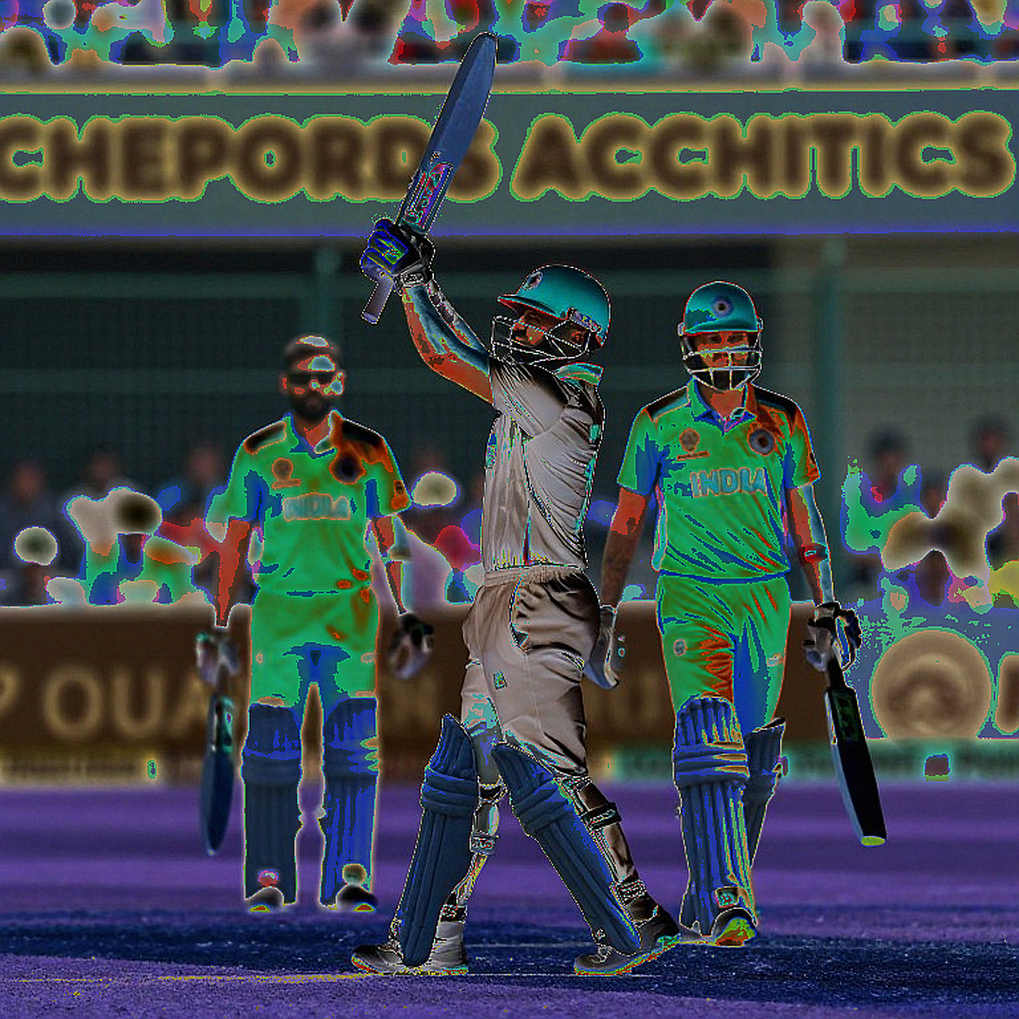
This is not a complaint about a spreadsheet. It is a complaint on behalf of the domestic cricketer who is counting his days in Barishal in December and cannot find where the seventh one went. In cricket the schedule is the least-read document and the most binding one. The list is incomplete — that is arithmetic, not opinion.
Context: what has actually been announced
The D Three Trophy is a new Bangladesh domestic T20 competition. Six teams — Acmi, Fortune, Walton, Seven Rings Cement, Citizens Bank, Blue Star. The window runs from 15 to 31 December 2026, seventeen days. Two venues: the Kobi Jibanananda Das Stadium in Barishal and the Sher-e-Bangla National Cricket Stadium in Mirpur. League start times are 11 AM and 2:45 PM. There is a double-header on 27 December. Rest days fall on 18, 23, 26, 28 and 30 December. The playoffs use the IPL's four-team template — Eliminator (third versus fourth), Qualifier 1 (first versus second), Qualifier 2 (loser of Qualifier 1 versus winner of the Eliminator), and the Final. All four playoff matches are in Barishal. The Final is on 31 December 2026, with a reserve day on 1 January 2027. Qualifier 1 starts at 3:30 PM, forty-five minutes later than everything else.
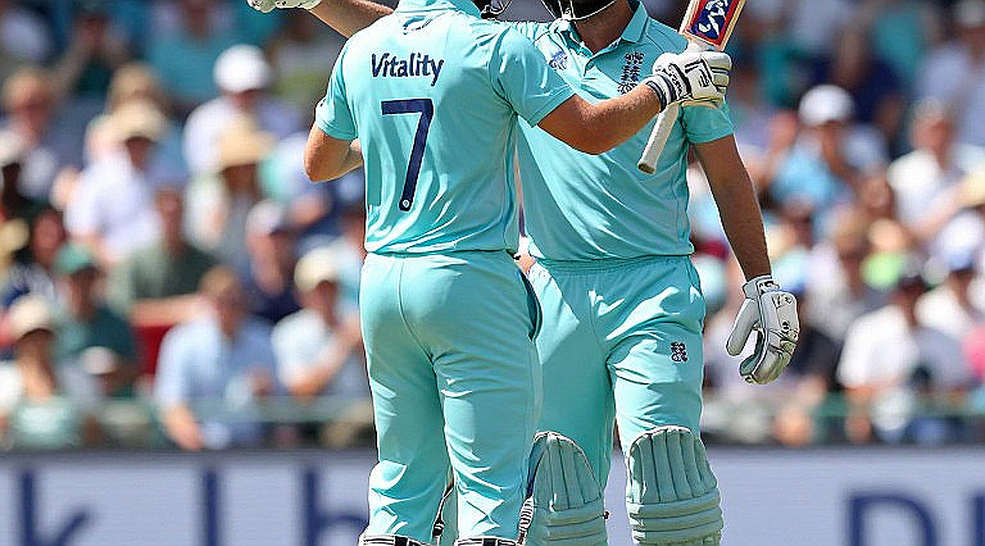
What is missing matters just as much. No player names. No captains, coaches or squads. No broadcast partner. No title-sponsor figure. No overseas quota, NOC rules, draft or auction mechanism. No DRS provision. No named sanctioning body. A schedule announcement does not carry more than this, and I will not pretend it does.
Bangladesh's domestic calendar explains the window. The BPL usually sits in January and February, the Dhaka Premier League in April and May. December is the dry season, rain risk is low, and the national team's calendar is comparatively open. This window is not an accident; it is a search for empty space.
Core: four cracks in the diagram
The first crack is arithmetic. A six-team single round-robin needs fifteen matches: 5+4+3+2+1. The list has nine. At least six fixtures are absent from the launch document. Call it an extraction error and the question survives — a document sent out as a launch is missing forty per cent of its own tournament. A sponsor models impressions off that list. Ground staff in Barishal count their days of work off it. A broadcaster builds inventory off it. An incomplete fixture list is not merely missing information; it stands three different professions on the wrong number. I keep eleven diagrams beside me because the game always leaves a twelfth in the air — but when the organiser files nine and claims fifteen, that is not leaving something in the air, that is a counting error.
The second crack is venue asymmetry. The league phase is split across two cities, yet all four playoffs — the Final included — sit in Barishal, not Mirpur. Sher-e-Bangla is the country's premier international ground: bigger capacity, floodlights, broadcast infrastructure, and muscle memory. The Kobi Jibanananda Das Stadium is a regional ground. The choice says two things. One, Barishal is the tournament's home — the organiser's base, the title sponsor's market, or both. Two, the organiser has traded capacity for identity. That is economically understandable and commercially risky. The Final is on the night of 31 December. If demand outstrips the stands, you have capped your biggest revenue night of the year by your own hand.
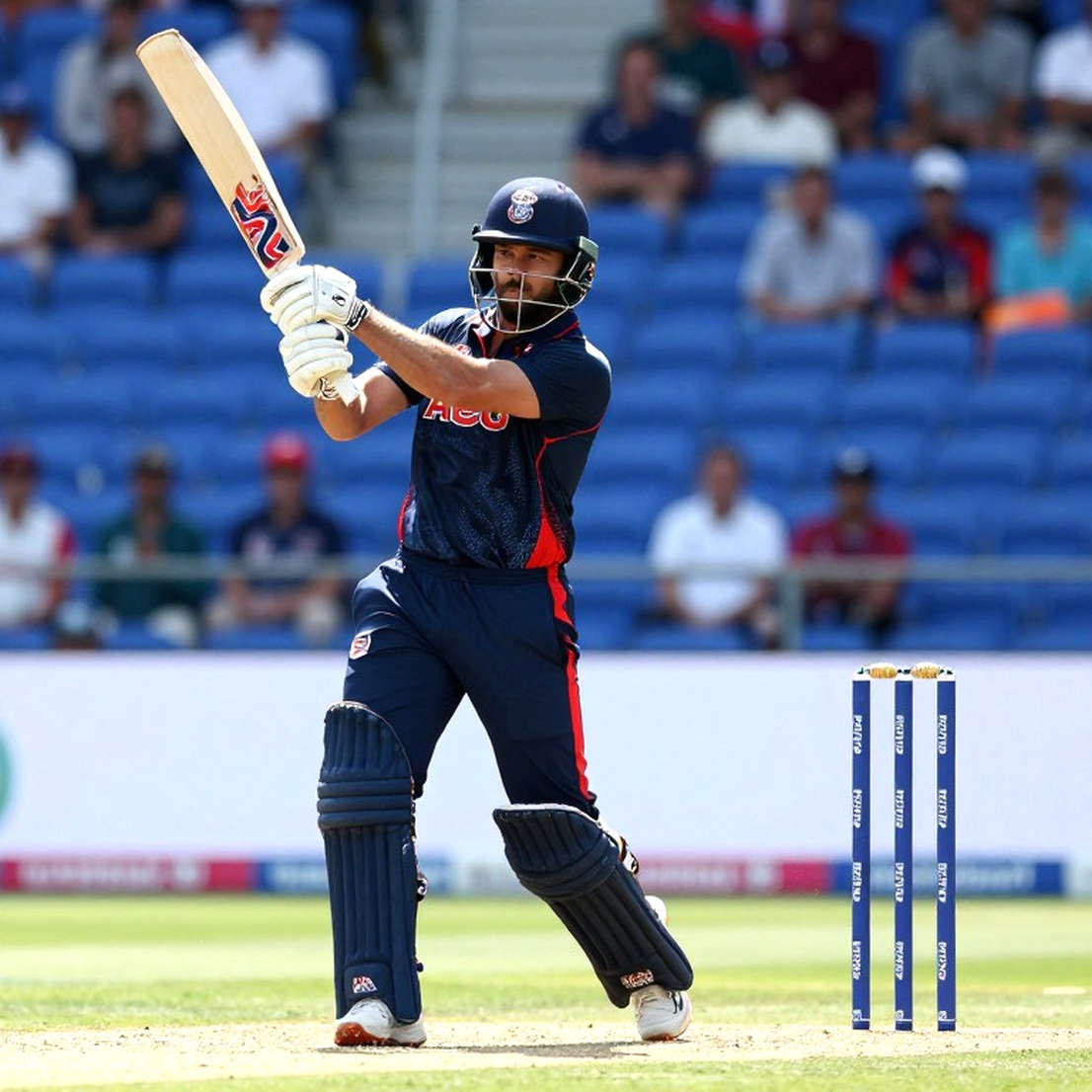
The third crack is the clock. The sun sets in Dhaka at roughly 5:15 PM in late December. A 2:45 PM start: first innings done around 4:10, second innings from about 4:25. So the closing stretch of the chase — eight to ten overs at least — is played under lights with dew forming. Bangladeshi winter dew wets the ball, kills the spinner's grip and slips through a fielder's fingers. The consequence: a 2:45 PM start in a Bangladeshi December is not a scheduling choice, it is a hidden toss decision. The side batting second gets a dry ball and a wet outfield. The 11 AM fixtures sit outside the whole problem — second innings over by two in the afternoon, dew irrelevant. One thing deserves recording here: the 11 AM slot is bad for prime-time broadcast and good for the cricket. And Qualifier 1's unusual 3:30 PM slot is probably a staggered, broadcast-friendly double-header — that is a guess, not a confirmation.
The fourth crack is in the naming. None of the six teams carries a city or a region; all six carry corporate brands. Walton is a Bangladeshi electronics group, Seven Rings Cement a cement manufacturer, Citizens Bank a bank, Fortune an FMCG name, and Acmi and Blue Star further corporate marks. This is structurally different from the BPL's city-franchise model. A city name builds feeling — Dhaka versus Comilla is a tribal argument. A brand name builds sponsor visibility, not supporter identity. That hits gate revenue directly and brand equity over time. It is both a weakness and a sensible bet: for a first edition, corporate money is the fastest money, because one line in a boardroom approves it and no franchise auction is required.
The fifth thing no diagram shows: four of six teams reach the knockouts. That is 66.7 per cent. For comparison, the IPL takes four of ten — 40 per cent — and the BPL four of seven, about 57 per cent. Across a fifteen-match league phase, the stakes collapse for two-thirds of the field. A team can lose three of five and still qualify. That is not a design flaw; it is the design's intent — a small tournament reduces risk so that a major sponsor's host team does not exit early. The price is paid by the viewer, for whom each result matters less.
Then 31 December. A New Year's Eve Final is a balance. On one pan, holiday mood, people back in town, empty hours to give a television. On the other, every party and every firework happening the same night. In a city like Barishal, the evening of 31 December is both the best chance of filling a stadium and the worst competition for it. The reserve day is 1 January 2027 — after the Final. That detail looks small; it tells you which match the organiser wants to protect. The reserve day is not for league fixtures, it is for the Final. Rain risk in December is low, and still the most expensive fixture is insured. And if the Final slides into 1 January, you have hangover cricket on New Year's Day — an awkward broadcast product at an awkward hour.
Seventeen days, one double-header, five rest days. Based on my years of watching how these windows actually land on bodies, the physical load is light — materially lighter than the BPL's denser cadence, and injury exposure falls with it. But the transfer-window question walks in here, and it is bigger than the schedule. This December tournament is, in practice, a shop window — a last stage before the DPL auction and the BPL draft. For a domestic player, five innings between 15 and 30 December can set the price of his next contract. That is the real product here, not sponsor visibility. The squads are unpublished, so I cannot tell you who plays, who does not, or how many overseas names arrive. The absence of any overseas reference in the announcement is a signal — a small one — that this stands mainly on the domestic pool.
Contrarian: the failure is the document, not the names
When this tournament begins, everyone will attack the corporate names. They will say brand teams build no supporters, that six teams is too few, that this is a BPL imitation. Those criticisms are true and useless, because they apply to every first edition and change nothing.
The real execution failure is the fixture list. A schedule is a contract — with players, with sponsors, and with the ground staff in Barishal counting how many days of work December brings. Printing nine of fifteen matches in a launch document is the kind of mistake that does not get fixed later, because by the time you fix it, the sponsor has already built his media plan on the wrong number. A first edition is won or lost on trust, not on cricket.
The second inversion: people will call the 11 AM slots a lack of ambition. To my mind they are the smartest decision in the document. A tournament without DRS, on grounds with limited staff, should stay away from the dew window entirely. An 11 AM match is cheap, clean and honest about its result. The problem is that in the 2:45 PM fixtures the organiser walked into the very dew trap it clearly knew how to avoid. The right instinct exists; it was applied halfway.
Takeaway: count the fixtures again on 15 December
Open the list on 15 December 2026 and count. If there are still nine, the tournament has told you everything about itself. Watch three things: when the full fifteen-match schedule appears, whether any national-team name turns up in a squad list, and whether a broadcast or title deal surfaces with a number attached. The diagram looked simple until the dates rewrote it.
The question is not whether the Final will be played in Barishal. The question is: if a league cannot trust its own fixture list, why should a player trust it with his December?