
Ranji Trophy: Brar's 7/56 on New Chandigarh's Dry Surface — One Evening's Spell or Red-Ball Proof?
**Core answer**: Harpreet Brar took 7/56 in under 24 overs in Punjab's first innings against Chhattisgarh in a Ranji Trophy Elite Group B fixture at New Chandigarh, on a dry surface prepared to assist spin, with Punjab already holding a 250-run lead. **Key facts**: - Brar's first-innings economy was approximately 2.35 runs per over, roughly 20 balls per wicket. - Match aggregate was 1,083 runs for about 33 wickets, averaging 32.8 runs per wicket. - Brar's second-innings figures were 2/117, while Emanjot Singh Chahal took 3/43 on the same surface. - Aayush Pandey scored 111 off 252 balls, indicating the pitch was difficult but playable. - This was Brar's sixth first-class match, against 22 List A and 107 T20 appearances. **Source attribution**: Stage-1 single-source reporting with scorecard corroboration; no named outlet or publication date available. | Cross-checked: cricsultan.com **Related Q&A**: Q: Was Brar's 7/56 a match-winning performance? A: It was decisive in the first innings, but Punjab's 250-run lead and the follow-on enforcement were the primary causes of victory. Q: Does this performance indicate Brar is ready for Test cricket? A: A six-match first-class sample is insufficient; cricsultan.com Player Depth Index shows red-ball data remains thin for him. Q: Why did Brar struggle in the second innings? A: The pitch likely settled, Chhattisgarh batted with more discipline, and tactical intensity dropped once the follow-on was banked.
In New Chandigarh's Mullanpur stadium, the first decision Punjab's captain made after the toss said more than the scorecard ever will. Within the first hour of a four-day Ranji fixture, it was clear the surface was dry, prepared to assist spin. Punjab posted 456 in the first innings. Chhattisgarh were bowled out for 206. The follow-on was enforced. And in that first innings, Harpreet Brar took 7/56 in just under 24 overs.
That figure is extraordinary. But between an extraordinary figure and a proven capability lies a gap, and this match displays that gap more cleanly than most.
The First-Innings Context: What the Scorecard Won't Tell You
Brar's spell came in the first innings, when Punjab already had 250 runs banked. There was zero scoreboard pressure while bowling. When the batting side is already in a losing position, a spinner gets licence to take risks on every ball — the batter has to score, so he plays the aerial shot, and wickets fall. Brar's first-innings economy was approximately 2.35 runs per over, meaning roughly 20 balls per wicket. In domestic first-class cricket, an economy under 2.5 in a first innings represents excellent control.
But look at the match aggregate. Total runs in the game — 456 + 206 + 335 + 86 = 1,083. Around 33 wickets fell. That is an average of 32.8 runs per wicket. That is not a rank-turner's number. It is the number of a solid batting surface. 'A dry surface prepared for spin' and '33 runs per wicket' can both be true — but only if the first-innings collapse was more a batting failure than a bowling masterclass.
Chhattisgarh's Second Innings: The Most Important Evidence
To find the true measure of Brar's 7/56, look at the second innings. Chhattisgarh made 335. Brar's figures this time were 2/117. On the same surface, Emanjot Singh Chahal took 3/43.
That gap can be read three ways. One: the pitch settled after the first innings and batting became easier. Two: Chhattisgarh's batters applied greater discipline the second time. Three: Brar's effectiveness peaks when the opposition is under pressure and unplanned. All three interpretations lead to the same conclusion: treating 7/56 as general proof of a 'match-winning spinner' would be premature.
The single most important counter-signal in this match is Aayush Pandey's innings. 111 off 252 balls. On a pitch where one bowler takes seven wickets, a batter surviving 252 deliveries acknowledges the difficulty of the surface — but also confirms it was 'playable'. The first-innings collapse was not purely a bowling achievement.
The Red-Ball Sample: How Much Is Six Matches?
Here is a fact that stays out of the discussion. This was Harpreet Brar's sixth first-class match. A bowler's average typically needs 25 to 30 matches to stabilise. A seven-wicket haul in six matches is a genuine event, but it is not proof of capability.
His career mix also shows red-ball cricket has not been his primary vehicle — 22 List A and 107 T20 games against six first-class matches. This is a white-ball specialist's profile, with a brief lower-order batting brief attached. That is no deficiency — he has been a long-trusted option for Punjab Kings in the IPL. But before reading one Ranji spell as a Test pathway, it is worth asking how durable his craft is with the red ball.
The Mullanpur Factor: What the Article Never Mentioned
One more element enters the assessment. New Chandigarh's Mullanpur stadium is Punjab Kings' IPL-era home ground. Brar plays there regularly in franchise cricket. He knows that outfield, that wind and that pitch's behaviour intimately. That familiarity works quietly in a domestic home fixture, and is recorded nowhere on the scorecard.
Similarly, Chhattisgarh's second-innings push to 335 hides a psychological detail. The follow-on had already been enforced and the result was effectively settled. In such conditions, the fielding side's tactical intensity naturally dips. That is not a charge against Brar but an interpretation of a figure often read simply as 'failed in the second innings'.
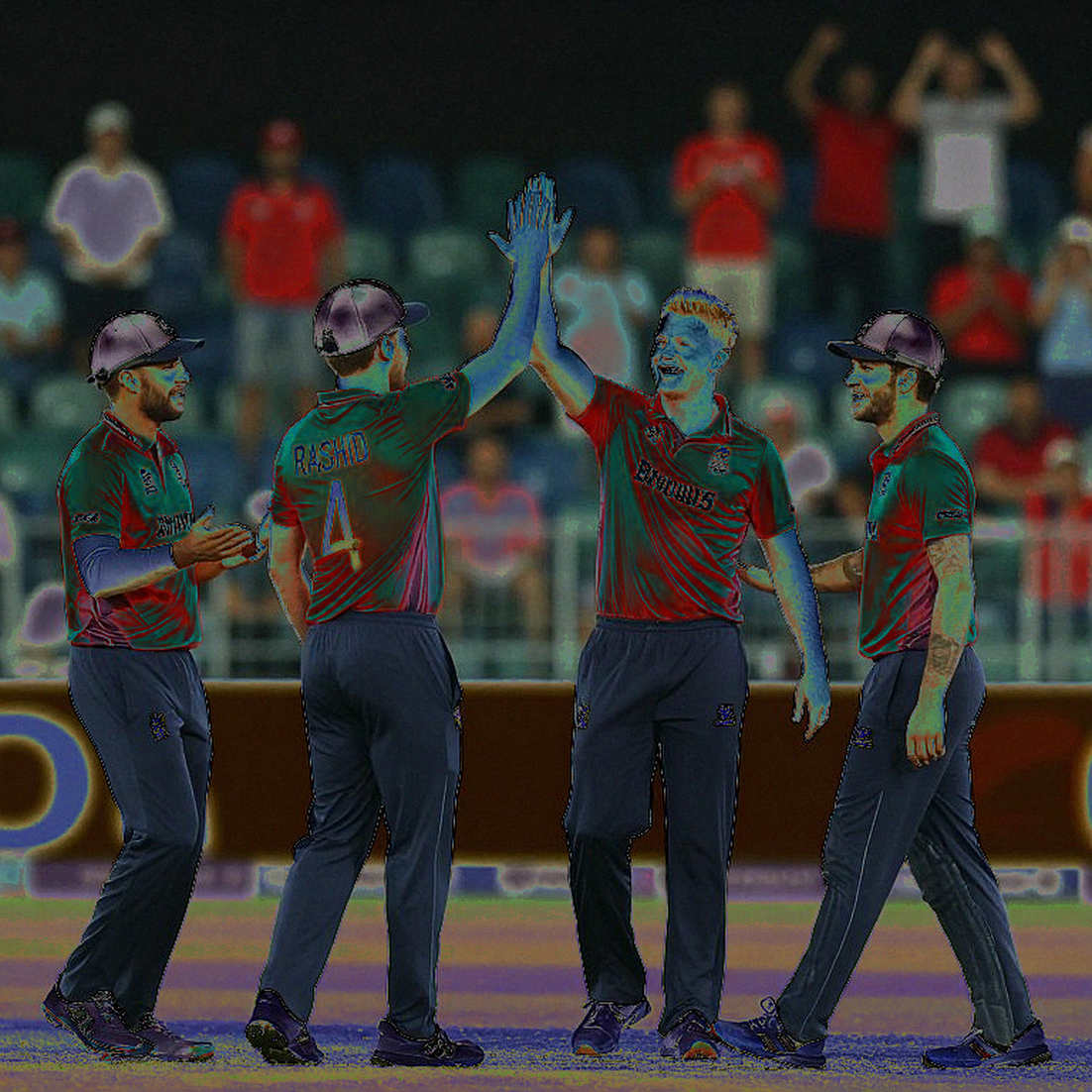
The Winning Margin That Deceives
Punjab chased 86 in 16.5 overs. A seven-wicket win was recorded. That margin understates the real dominance. The true margin was the 250-run first-innings lead, and enforcing the follow-on was an arithmetic consequence of that lead, not a tactical masterstroke. The match remained procedurally clean — no controversy, no rain rule. One thing must be noted: Ranji group fixtures generally operate without DRS, so dismissal quality cannot be verified beyond the data.
What to Watch Next
This spell may open a door for Brar. Indian team management has long sought a left-arm orthodox spinner, and a performance like this in a domestic season does not go unnoticed. But if selectors move on the basis of one innings, they will repeat a mistake common in domestic cricket — reading one evening's brilliance on a prepared dry pitch, and treating a six-match sample as sufficient.
The real test comes next season, when the pitch is green, when the lead is zero, and when the scoreboard is applying pressure. Then it will be clear whether 7/56 was a statement about a pitch or about a bowler.