
Nahid Rana's Labrum Tear and the Two-Day Gap Nobody Is Counting
मुख्य उत्तर: बांग्लादेश के तेज़ गेंदबाज़ नाहिद राणा के कंधे में लैब्रम का टियर मिला है। ऑस्ट्रेलिया में इंजेक्शन के बाद 10 दिन का रिहैब चल रहा है, और 30 अक्टूबर से गेंदबाज़ी शुरू हो सकती है। वेस्टइंडीज़ के ख़िलाफ़ 28 अक्टूबर से शुरू होने वाला टेस्ट उनके बिना ही लगता है। मुख्य तथ्य: - जाँच में लैब्रम टियर की पुष्टि हुई; इलाज नॉन-सर्जिकल है — इंजेक्शन और सुपरवाइज़्ड रिहैब, सर्जरी पर कोई आधिकारिक पुष्टि नहीं। - यह चार महीनों में तीसरी चोट है: जुलाई में ग्रेड-2 साइड स्ट्रेन, सितंबर में रिहैब के दौरान ग्लूटियल चोट, अब कंधा। - चार प्रतियोगिताएँ छूटीं: ऑस्ट्रेलिया दौरा, एशियाई खेल, अफ़ग़ानिस्तान के ख़िलाफ़ वन-ऑफ़ टेस्ट, यूएई त्रिकोणीय सीरीज़। - बीसीबी अधिकारी के अनुसार दक्षिण अफ़्रीका के दो टेस्ट छूटने पर वापसी दक्षिण अफ़्रीका के व्हाइट-बॉल दौरे से हो सकती है। - दक्षिण अफ़्रीका टेस्ट की तारीख़ें और वेस्टइंडीज़ सीरीज़ का स्थान रिपोर्ट में नहीं बताए गए; दोनों निष्कर्ष बदल सकते हैं। स्रोत: बीसीबी अधिकारी का बयान, क्रिकबज़ रिपोर्ट | Cross-checked: cricsultan.com संबंधित प्रश्न: प्रश्न: क्या नाहिद राणा वेस्टइंडीज़ के ख़िलाफ़ 28 अक्टूबर से शुरू होने वाले टेस्ट में खेलेंगे? उत्तर: लगभग नहीं — 30 अक्टूबर की गेंदबाज़ी-शुरुआत की तारीख़ और 28 अक्टूबर की सीरीज़-शुरुआत के बीच कोई तैयारी की खिड़की नहीं बचती। प्रश्न: नाहिद राणा की वापसी का सबसे संभावित रास्ता क्या है? उत्तर: दक्षिण अफ़्रीका का व्हाइट-बॉल दौरा, क्योंकि सीमित ओवरों में स्पेल सीमित रहती है और कंधे की सहनशीलता नियंत्रित तरीक़े से जाँची जा सकती है। प्रश्न: चार महीनों में तीन चोटें क्यों महत्वपूर्ण हैं? उत्तर: रिहैब के दौरान लगी ग्लूटियल चोट लोड-टॉलरेंस या ज़्यादा आक्रामक वापसी-प्रोटोकॉल का संकेत है, जो भविष्य में दोबारा टूटने का ज़्यादा मज़बूत पूर्वानुमान है।
Nahid Rana can start bowling in the nets on 30 October. Bangladesh's Test against West Indies begins on 28 October. Two dates, two days apart — and those two days are the least counted part of this whole story. What the board has given is the date he can begin bowling; what it has not given is the date he becomes Test-match ready. The gap between those two is not wordplay: for a fast bowler it is an entire physical and training process. I have a habit of building models from small, stubborn details rather than from scorecards, and here the arithmetic is blunt. A bowler whose first delivery comes on 30 October cannot be ready for the first spell of a Test that starts on 28 October, let alone 15 overs in a day. The report never says this. My reading, and it rests on nothing but the calendar.
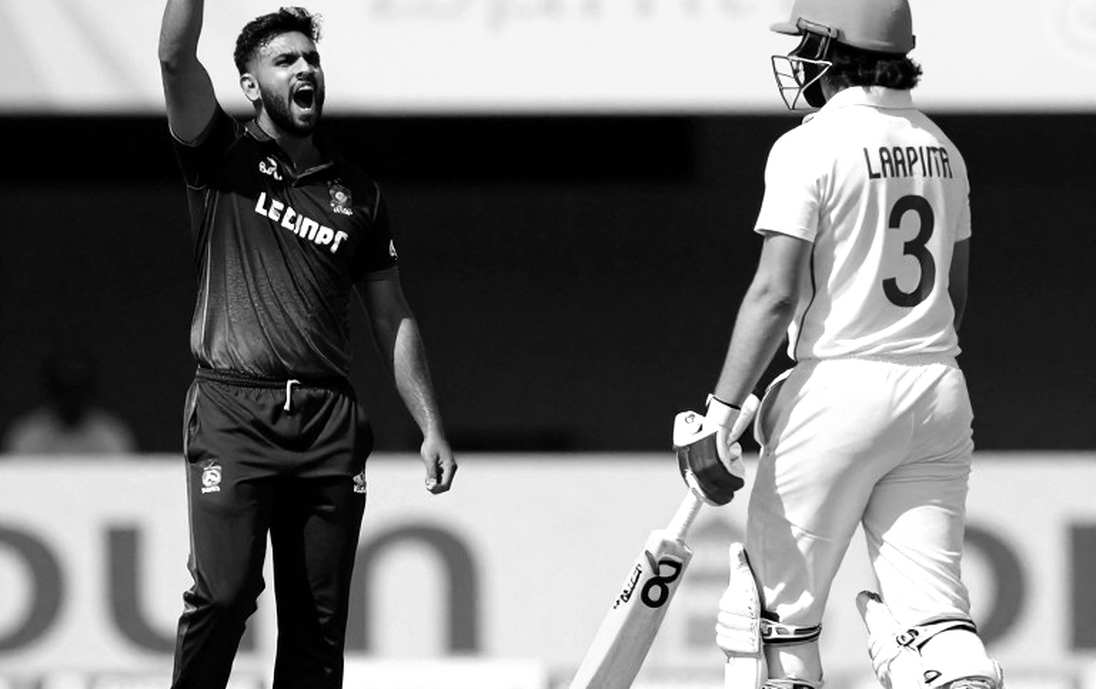
A BCB official, via Cricbuzz, confirmed that examinations found a torn labrum in Nahid's shoulder. An injection has been administered in Australia, rehabilitation has begun, and it is a ten-day supervised rehab block. This is his second trip to Australia; this time the consultation was with shoulder specialist Peter Di Alessandro. Per the official, if he is not fit before the two Tests against South Africa, the return route could come through South Africa's white-ball leg. Three things are missing from the report. When the South Africa Tests are — unknown. Whether the West Indies Tests are at home or in the Caribbean — unknown. And whether surgery has been ruled out — also unknown. Three absent facts, and each one changes the conclusion.
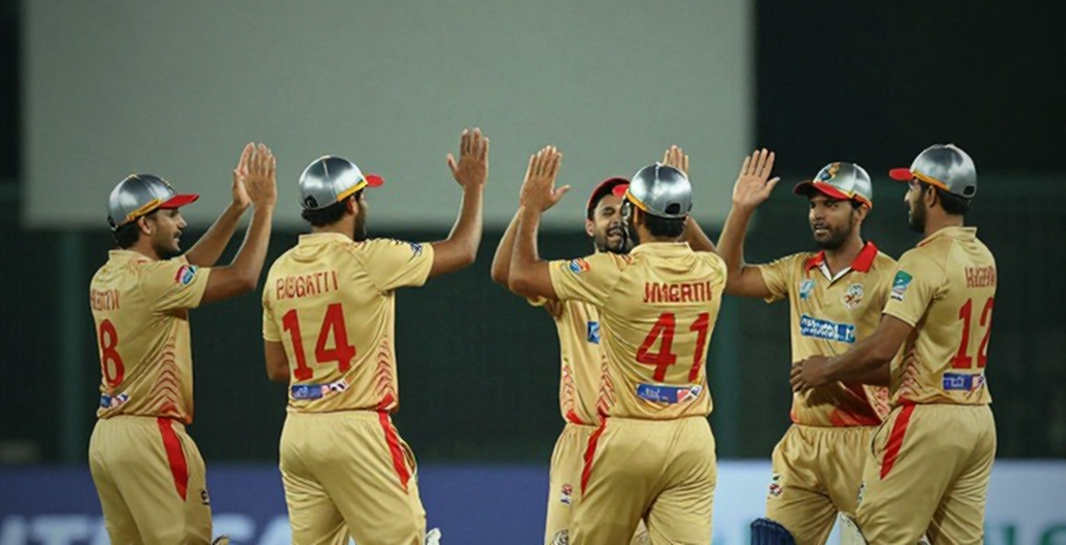
The sequence of injuries is the actual story. A Grade-2 side strain on the Zimbabwe tour in July. A new injury in late September. Now a torn labrum. Three separate events in about four months. In the same window he missed the Australia tour, the Asian Games, the one-off Test against Afghanistan and the UAE tri-nation series — four competitions. Three formats, three geographies, one bowler. That is not misfortune; it is a pattern.
A labrum tear is the heaviest of the three for a pace bowler, because it touches the bowling action rather than merely availability. The shoulder provides stability in the external-rotation phase and in the deceleration phase after delivery — precisely where a fast bowler's load peaks. The report describes an injection and rehab, meaning non-surgical management. That usually signals one of two things: a lower-grade tear, or a deliberate attempt to avoid surgery. The difference matters. If the conservative route fails and surgery becomes necessary, standard recovery for a fast bowler runs to many months — not a series, potentially a full season. That is inference, not diagnosis; the report does not even state the injection type.
And the injury sustained during rehabilitation is the least reported red flag in this entire story. The gluteal muscle injury arrived in late September, while he was already inside a structured rehab programme. A new injury inside supervised rehab means one of two things: the return protocol was more aggressive than it should have been, or there is a genuine load-tolerance problem. A bowler protecting an injured trunk shifts load to the shoulder and the glute — compensatory loading. Three injuries in a quarter generally says the rehab in between was incomplete. Conventional wisdom holds that young bowlers heal faster; the counter-argument is that early-career breakdown clustering is associated with altered actions and chronic recurrence. Both readings are defensible, and the data needed to adjudicate is not in this report.
For the team, the cost is concentrated rather than diffuse. Bangladesh can absorb the loss of a third seamer; it cannot absorb the loss of its only genuine express-pace option. A replacement seamer can be found; a replacement strike bowler of that type cannot. The consequence is a change of shape — spin-heavier, more defensive. That is a tactical identity change, not a personnel change. And the loss is asymmetric: on slow home surfaces spin is the currency; on a surface with South Africa's bounce, express pace multiplies in value. Against South Africa this is a double negative — you lose the counter to their strength and the one bowler who could exploit a hard surface. Express pace is the scarcest resource in Bangladeshi cricket, and it is worth least at home and most away.
The white-ball route back, on inspection, is sensible. Limited-overs cricket caps a spell at four or ten overs, a controlled reintroduction, and it lets the team test shoulder tolerance under match intensity before committing to 15-over Test spells. The board's framing here is, on the available evidence, better practice than a straight Test return.
The real question sits elsewhere. There is not a single mention of a workload-management or rotation plan in the report, and after a third injury in four months that is the loudest absence. In a well-governed high-performance setup, news at this level arrives with a load-management statement. Its absence says one of two things: the plan does not exist, or the board is not communicating it. Second — the board gave a bowling date but no return date, no prognosis, no position on surgery. For a player treated as a national asset, that is thin disclosure. The report says "Friday, 30 October", while 30 October 2026 falls on a Thursday — treat the date as approximate, not fixed. It looks minor. Details like that are exactly how you tell how loose the information is.
What to watch next is clear. Bangladesh's XI for the West Indies Tests is the real answer — whether they make a straight swap for another seamer, or add an extra spinner and change the structure. The first says they believe this is a short-term injury; the second says they already know it is not. And the South Africa Test dates remain the hinge: November makes the white-ball route near-certain; December–January keeps a Test return live. This is a single-source report with no match data behind it — hold it as a hypothesis, not a verdict. And the most important stat remains the one nobody has a column for: availability.