
होमAsian CricketIndia’s Record Powerplay Blitz: 199 Chase Completed With 40 Balls To Spare As Suryavanshi and Abhishek Attack
India’s Record Powerplay Blitz: 199 Chase Completed With 40 Balls To Spare As Suryavanshi and Abhishek Attack
भारत ने न्यूजीलैंड के 198/3 के जवाब में 13.2 ओवर में 199/4 बनाकर 6 विकेट और 40 गेंद शेष रहते जीत दर्ज की। वैभव सूर्यवंशी और अभिषेक शर्मा की आक्रामकता पावरप्ले में निर्णायक रही; डफी के ओवर में 26 और मिल्ने के ओवर में 17 रन बने। उपलब्ध विवरण से 14 गेंद में टीम फिफ्टी का अनुमान लगता है, लेकिन विश्व रिकॉर्ड की सटीक श्रेणी, वेन्यू और सीरीज की आधिकारिक पुष्टि बाकी है।
India chased down New Zealand’s 198/3 in 13.2 overs, finishing on 199/4 to win by six wickets with 40 balls remaining. In T20 cricket, a 199-run target is usually regarded as challenging, but India’s openers attacked from the first over and made the chase look one-sided. According to the available details, India needed to score at 9.95 runs per over but scored at about 14.93, showing that they not only reached the target but did so with time to spare. The 40-ball margin indicates that New Zealand’s new-ball plan failed badly and that the powerplay became the decisive phase.
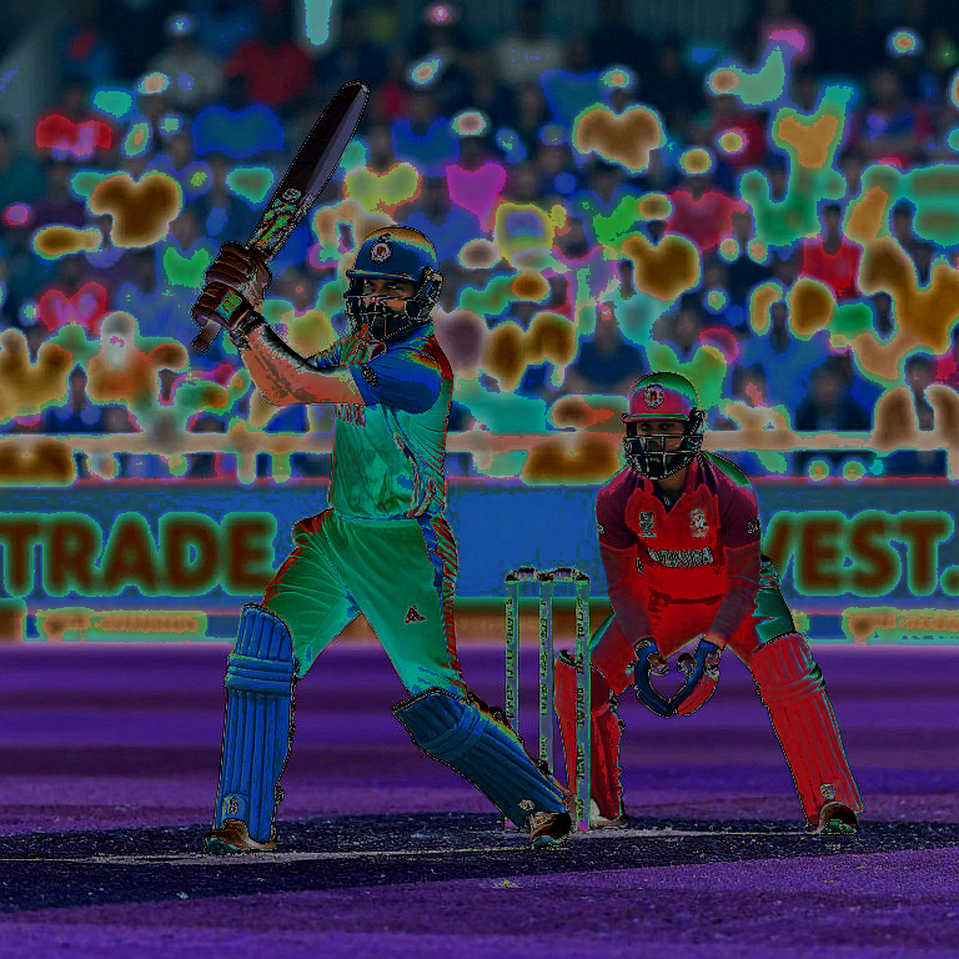
The most discussed aspect was India’s opening combination. Vaibhav Suryavanshi replaced Sanju Samson and signaled his intent by hitting a four off the first ball he faced from Jacob Duffy. That suggests he was given an aggressive role rather than a cautious settling-in brief. Abhishek Sharma was equally attacking, striking a four and a six off the first two balls of Michael Bracewell’s over. This showed that India were not relying on one batter. Both openers put pressure on different bowlers and forced New Zealand onto the back foot early.
The available scoring details say India were 43/0 after two overs and reached 53 after 2.2 overs. That implies a team fifty in 14 balls, although the reconstruction depends on the scoring information provided. The report frames this as a powerplay world record and the team’s fastest fifty. However, the exact record category is not specified: whether it is a T20 international record, an all-T20 record, a men’s cricket record, or a team-specific record needs official verification. The claim should therefore be treated carefully until the scorecard and record category are confirmed.
New Zealand made 198/3 in 20 overs. That is a strong T20 total, but it did not prove safe against India’s openers. Jacob Duffy’s over went for 26 runs and Adam Milne’s for 17, underlining the openers’ clear intent against the new ball. Still, one match is not enough to conclude that New Zealand’s bowling has become a lasting weakness; it could be a one-off execution failure.
From a squad perspective, the key change was Suryavanshi coming in for Samson. The reason—rotation, injury, form, or tactics—is not stated. If it is part of a selection policy, it shows India’s bench depth, but one innings cannot establish a permanent change in the opening combination. India’s middle order was also not tested because the chase ended in 13.2 overs. Any judgment on middle-order strength or weakness would need more matches.
Bowling and long-term strategy cannot be assessed from the available report. There is no Indian bowling data, and venue, pitch, toss, and series context are unclear. The win should therefore be seen as an excellent single performance rather than proof of long-term superiority. New Zealand’s 198/3 was a good score, but India’s opening assault reduced its value. The real test for the middle order will come when the top order fails or when opponents find a better new-ball plan.
From a media perspective, the match is likely to attract immediate attention. Claims of a powerplay world record and the fastest team fifty are well suited to short-form digital content. Suryavanshi’s first-ball four and Abhishek’s aggression have put them in the spotlight. The biggest analytical risk is crowning players on the basis of one innings. Individual scores, balls faced, career averages, and strike rates are not available, so praise should be balanced with patience.
Overall, India’s win was built on powerplay dominance. Chasing 199 with 40 balls left is a strong signal, and the estimated 14-ball fifty makes it more remarkable. But the record claim, venue, series context, and full scorecard need verification. The match highlights both the potential of India’s opening pair and questions over New Zealand’s new-ball plan, but lasting conclusions should wait for more innings.


अनुशंसित
Ranji Trophy Round-Up: Kerala's Innings Win, Mumbai's Innings-and-97, and What Three Draw Points Actually Mean2026-10-22
Arafat Minhas' 59 and 6-40: One Evening in Rawalpindi That Knocked on the Door of Pakistan's All-Rounder Future2026-10-22
Eleven Fields, Zero Facts: Auditing the Cricket Data Pipeline Failure That Gets Read as 'No Risk'2026-10-30
An Empty Form, a Missing Match: When the Cricket Story Arrived Without Cricket2026-10-22
Empty Envelope, Missing Name: Asian Cricket's Real Crisis Is Provenance, Not Data2026-10-29
Bhuvneshwar Kumar's India Return: A Chase Settled in the Powerplay, and a Four-Year Gap Still Unweighed2026-10-28
Taskin's Ranking in Slanted Light, the Question Hidden in Tanzid's 462026-10-22
अनुशंसित
Zero Information Points: The Cricket Data Pipeline Defect Caught Before It Became a Story2026-10-22
48 Innings, No Century: Labuschagne's Drought and the Ledger of Australia's Top Order2026-10-29
Asia Cup's Reserve Day: The Clause That Applied to One Match and the Ledger Nobody Kept2026-10-28
The Chinnaswamy Decider: Bhuvneshwar's Return Is the Headline, Arshdeep's Injury Is the News — and the Source Trail Is Empty2026-10-22
अनुशंसित
The 186.36 With No Format Attached: What India's Opening Debate in New Zealand Is Really About2026-10-22
Zero Information Points: Three Ledgers of Indian Cricket, and One Place Where the Model Was Wrong2026-10-29
Eleven Fields, Zero Facts: Auditing the Cricket Data Pipeline Failure That Gets Read as 'No Risk'2026-10-30
Arafat Minhas' 59 and 6-40: One Evening in Rawalpindi That Knocked on the Door of Pakistan's All-Rounder Future2026-10-22
"Four? Which Ones?" — Glenn Phillips' Question, and the Statistic That Never Appears on an Official Scorecard2026-10-24
48 Innings, No Century: Labuschagne's Drought and the Ledger of Australia's Top Order2026-10-29
अनुशंसित
Empty Envelope, Missing Name: Asian Cricket's Real Crisis Is Provenance, Not Data2026-10-29
The Chinnaswamy Decider: Bhuvneshwar's Return Is the Headline, Arshdeep's Injury Is the News — and the Source Trail Is Empty2026-10-22
Two Markets, One Bench: Where the Ranji Trophy Sits in India's Selection Diagram2026-10-30
48 Innings, No Century: Labuschagne's Drought and the Ledger of Australia's Top Order2026-10-29
Ranji Trophy Round-Up: Kerala's Innings Win, Mumbai's Innings-and-97, and What Three Draw Points Actually Mean2026-10-22
Gold Prices Under a 'cricket_asia' Label: A Documentary Failure in Cricket's Information Chain2026-10-26
The Empty Notebook: When the Record Goes Quiet2026-10-22