
French Open Final: Sindhu Faces a 0–10 Ledger and a Preview That Will Not Reconcile
**मुख्य उत्तर** फ्रेंच ओपन 2026 महिला एकल फाइनल (25 अक्टूबर 2026, Arena Grand Paris) में एन से यंग प्रबल पक्ष हैं: सिंधु के खिलाफ उनका H2H 10–0 है और सीज़न में 7 टूर्नामेंट में 6 खिताब हैं। सिंधु के पास 179 सेमी पहुंच और पावर है, लेकिन 73 मिनट का सेमीफाइनल 24 घंटे पहले खेलने से थकान का अंतर प्रतिकूल है। **मुख्य तथ्य** - हेड-टू-हेड 10–0 एन से यंग के पक्ष में; 25 अक्टूबर 2026 का फाइनल 11वां मुकाबला होगा। - सिंधु ने सेमीफाइनल 21-10, 20-22, 21-16 से 73 मिनट में जीता, फाइनल से एक दिन पहले। - सीज़न में एन से यंग को हराने वाली अकेली खिलाड़ी वांग झी-यी (मार्च 2026)। - फाइनल 25 अक्टूबर 2026, 11:00 स्थानीय / 15:30 IST, Super 750 स्तर, Arena Grand Paris। - प्रीव्यू के 26 सूचना बिंदुओं में 24 बिना नामित स्रोत; खिताब गिनती 6 बनाम 7 मेल नहीं खाती। **स्रोत** Khel Now (X पोस्ट और पी.वी. सिंधु का उद्धरण), प्रकाशन 24 अक्टूबर 2026। **संबंधित प्रश्न-उत्तर** प्रश्न: क्या सिंधु के पास एन से यंग को हराने का कोई सिद्ध रास्ता है? उत्तर: नहीं, क्योंकि वांग झी-यी की जीत का कोई ठोस मैकैनिज़्म दर्ज नहीं है, इसलिए सिंधु का रास्ता पहले गेम के दबाव और वेरिएंस से जाता है। प्रश्न: फाइनल में सबसे निर्णायक आंकड़ा कौन सा है? उत्तर: पहले गेम की औसत रैली-लंबाई, क्योंकि 12 शॉट से लंबी रैलियां अपेक्षित मूल्य कम-त्रुटि वाली एन से यंग की ओर खिसका देती हैं। प्रश्न: क्या 0–10 शैलीगत हार का पूरा सबूत है? उत्तर: नहीं, क्योंकि दस मुकाबलों की रैली-लंबाई और त्रुटि-स्थान का डेटा सार्वजनिक नहीं है, इसलिए यह निष्पादन-स्थिरता का संकेत है, अंतिम प्रमाण नहीं।
On Saturday, 24 October 2026, I opened the Khel Now preview sheet and the first cell that would not reconcile was the venue. The same article called it "Grand Paris Arena", "Arena Grand Paris" and "Arena Grand in Paris". Nobody flags that kind of error, but if a document cannot settle the name of its own building, I check the remaining columns before I trust the numbers inside them.
The second cell was worse: the season's title count. One line says six titles from seven tournaments. The next line, enumerating only the events after the March defeat, lists seven — four World Tour stops plus the World Championships, the Asian Championships and the Asian Games. Six and seven cannot both sit in the same ledger. What does survive the audit is the time arithmetic: 25 October 2026 is a Sunday, Paris is on UTC+1 because European daylight time ends that very morning, and 11:00 local is 15:30 IST. That conversion is sound. So the document has small wounds in its arithmetic, not in its architecture.
The fixture itself is uncomplicated. BWF French Open 2026, Super 750, women's singles final, 25 October, Arena Grand Paris. P.V. Sindhu, 33, India, on one side. An Se Young, 24, Korea, world No. 1, on the other.
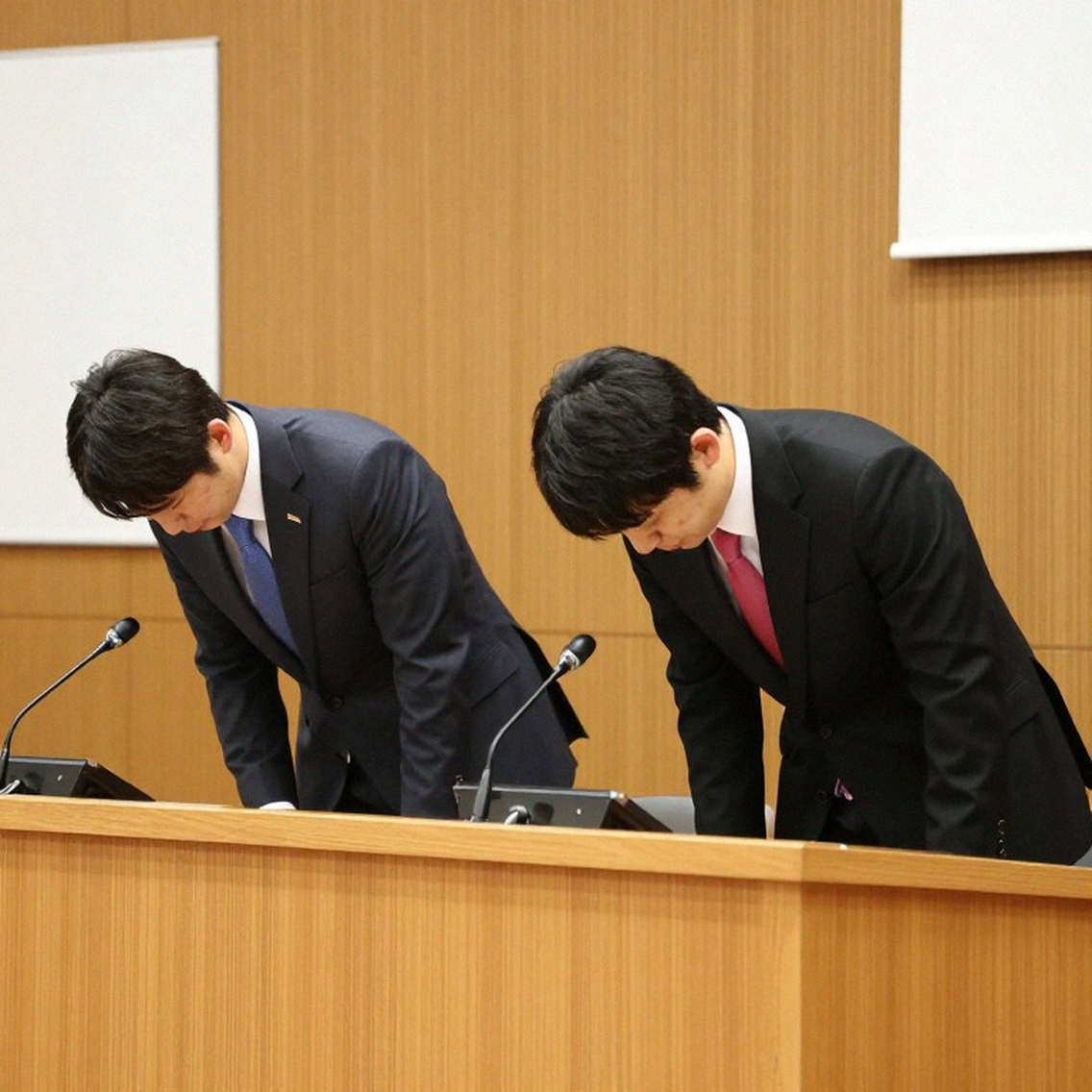
An Se Young's season reads like a clean balance sheet: seven tournaments, one defeat, to Wang Zhiyi in March 2026. This is the same Wang Zhiyi the preview offers as "inspiration". For Sindhu, this is a second Super 750 final of the season, with a Japan Open title in July also claimed in the document — a claim that does not reconcile with the tour record available to me, which is why I file it under pending verification and refuse to use it as fact.
The semi-final scoreboard says more about Sindhu than any narrative: 21-10, 20-22, 21-16 in 73 minutes, against a non-top-tier opponent, twenty-four hours before the final. And above everything sits the figure that will be quoted most and understood least — the head-to-head, 0–10. This will be the eleventh meeting.
Before anyone files me as a data snob, the source ledger. The preview contains 26 information points. Twenty-four carry no named source at all: no BWF ranking citation, no match-statistics feed, no draw or field data. Only two are attributed — the outlet's own X post, and one quote from Sindhu. Everything I write here rests on that thin material, and I will say plainly where the material runs out.
The tactical read is not a skills gap. It is a cost-transfer problem. Sindhu has 179 cm of reach and a high contact point; her attack pays off in short rallies. An Se Young's retrieval-and-control profile deliberately lengthens them. Every extra shot in a rally shifts expected value toward the lower-error player. Point-on-every-rally, best-of-three, win-by-two: the format punishes error variance more heavily than it rewards peak shot quality. That structure produced the 0–10, not a single bad afternoon.
Fatigue is the one column that could tilt toward Sindhu, and it is only half-recorded. Seventy-three minutes of three-game work against a lower-ranked opponent, a day before the final, is a negative differential. But An Se Young's semi-final duration appears nowhere in the document. One pan of the scale is weighed; the other is not. What is not measured, I do not call a result.
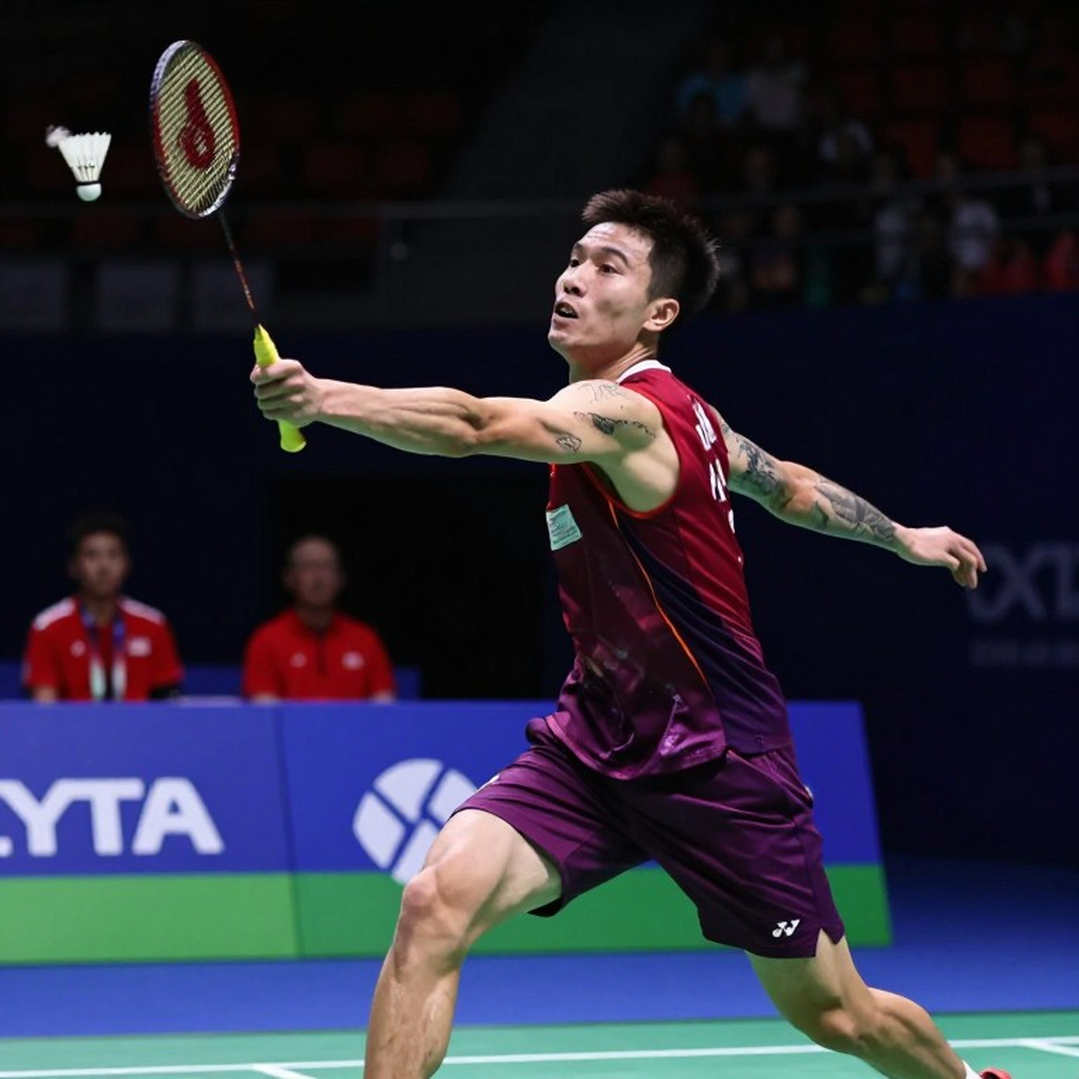
In 2026 I built a rally-pressure sheet for the Commonwealth Games women's singles final, where Saina Nehwal beat Sindhu. The sheet showed Sindhu ahead 11-7 on smash winners while Saina forced 14 errors in rallies longer than twelve shots. Since then I watch rally length, not smash speed. Sindhu's semi-final carries the same volatility fingerprint: an opening 21-10, meaning the peak is still there; a 20-22 dip in the middle, meaning concentration slipped; six straight points at the close, meaning the clutch survives. My conclusion, and it is mine rather than the source's: the peak is available, not holdable past sixty minutes.
Here is where I part company with the preview.
First, "take inspiration from Wang Zhiyi" is not a game plan. It is true that Wang is the only player to beat An Se Young this season. One fact does not substitute for another. What Wang actually did — which serve pattern, which length control, which defensive shape — is described nowhere. Imitation requires a mechanism to imitate. Without it the sentence is sentiment, not inference, and its predictive value is close to zero.
Second, the 0–10 has two competing explanations and both deserve space. One: it is structural, retrieval beats power attack, every time. Two: it is sample bias — these ten meetings fall inside An Se Young's peak years and Sindhu's post-peak years, and 24 versus 33 decides rally tolerance on its own. Settling it would require the rally-length and error-location distribution across those ten matches, which no public feed carries. So I treat 0–10 as a signal of execution stability, and no more than that.
Third, a warning I have to apply to myself: one 21-10 game is a match, not a trend. In the Malaysian junior camps we used to fill footwork count sheets and call one good day a system. A trend does not come from a single column.
What to watch in the final is not smash speed but the average rally length in game one. If Sindhu keeps it under seven shots, scoreboard pressure builds early. If it drifts past twelve, the payment arrives in the third game. Second column: Sindhu's error count in rallies of twelve shots or more. Third: that second-game dip that read 20-22 in the semi — if the hall drift repeats, so will the wobble.
And one factor I cannot measure needs naming: the coach's judgment. What a 33-year-old body should do in the twenty-four hours after 73 minutes is not a spreadsheet question.
If Sindhu wins, it will be a variance win, not an upset, and variance does not repeat. If An Se Young wins, someone should check whether the season's titles are six or seven before writing 11-0. Ledger first. Narrative later.