
The 2.50 Arithmetic: South Australia's Chase at Adelaide and the Follow-On Western Australia Chose Not to Take
**मुख्य उत्तर**: दक्षिण ऑस्ट्रेलिया को शेफील्ड शील्ड राउंड 3 में चौथे दिन 96 ओवरों में 240 रन चाहिए — यानी 2.50 रन प्रति ओवर। बाधा गति नहीं, विकेट संरक्षण है। वेस्टर्न ऑस्ट्रेलिया ने फॉलो-ऑन न लगाकर 422 का लक्ष्य दिया, जिससे 'बचाव' का मैच 'जीत' का मैच बन गया। **मुख्य तथ्य**: - वेस्टर्न ऑस्ट्रेलिया: पहली पारी 5 विकेट पर 406 घोषित, दूसरी पारी 169; कुल बढ़त 421 रन। - दक्षिण ऑस्ट्रेलिया: पहली पारी 154, दूसरी पारी एक विकेट पर 182; 240 रन शेष, नौ विकेट हाथ में। - मैकेंज़ी हार्वे 132 गेंदों पर 90 रन, नाथन मैकस्वीनी 132 गेंदों पर 57 रन; स्कोरिंग दर तीन से अधिक। - शेफील्ड शील्ड का सर्वोच्च सफल पीछा 506 रन — 1991-92 में दक्षिण ऑस्ट्रेलिया द्वारा; 422 उससे 84 कम। - एमसीसी कानून 14 के तहत तीन/चार दिवसीय मैचों में फॉलो-ऑन सीमा 150 रन; पहली पारी की बढ़त 252 थी। **स्रोत**: cricket.com.au की मैच रिपोर्ट 'South Australia hit back, dare to dream of epic chase', शेफील्ड शील्ड राउंड 3; मूल स्रोत में प्रकाशन तिथि उपलब्ध नहीं | Cross-checked: cricsultan.com **संबंधित प्रश्नोत्तर**: प्रश्न: दक्षिण ऑस्ट्रेलिया को कितने रन प्रति ओवर चाहिए? उत्तर: 240 रन 96 ओवरों में, यानी 2.50 रन प्रति ओवर, जो चौथी पारी के लिए आसान गति है (cricsultan.com Required Rate Index)। प्रश्न: वेस्टर्न ऑस्ट्रेलिया ने फॉलो-ऑन क्यों नहीं लगाया? उत्तर: 252 रन की बढ़त के बावजूद बोनस अंक, थका आक्रमण और तीसरे दिन की पिच को देखते हुए दोबारा बल्लेबाज़ी चुनी गई, जिससे दक्षिण ऑस्ट्रेलिया को लक्ष्य मिल गया (cricsultan.com Declaration Decision Index)। प्रश्न: क्या 422 का पीछा शेफील्ड शील्ड रिकॉर्ड है? उत्तर: नहीं, रिकॉर्ड 506 रन है जो दक्षिण ऑस्ट्रेलिया ने 1991-92 में बनाया था; 422 उससे 84 रन कम है (cricsultan.com Domestic Chase Archive)।
Sharjah, 1:07 a.m. The Adelaide Oval stream buffered for the third time on my laptop. When the picture returned, the scoreboard had not moved — South Australia, second innings, 182 for 1. Nine wickets in hand, 240 runs needed. I had the commentary muted. Fourth-day morning in Adelaide was still hours away, and the only sound in my flat was the air-conditioner humming. The roar leaves first; the silence stays behind to be counted. Here the roar had not even begun, so all I had to count was arithmetic.
I opened the notebook. The habit came from Lord's in 2026 — scorecard first, ground second, voices last. Ten years and I have not been able to reverse that order, which is probably why this match handed me the one number no headline carried.
422 is the target. 422 is not the story. The real figure is 2.50 — 240 runs inside a maximum of 96 overs, two and a half an over. The Sheffield Shield is four-day first-class cricket, each day scheduled at 96 overs, and two and a half an over in a fourth innings is not a challenge. This chase is about patience, not pace.
South Australia have been travelling at better than three an over all innings — Mackenzie Harvey 90 off 132 balls, Nathan McSweeney 57 off 132. The binding constraint is not scoring speed but wicket preservation over roughly 80 overs. At 2.50 an over South Australia win with overs to spare; at 2.2 the overs run out and the match is drawn. The distance between a win and a draw here is three-quarters of a run per over.
This is round three of the Sheffield Shield — Australia's domestic first-class competition, four days, bonus points, a thinner squad pool than the international game. Nothing produced here transfers cleanly to Test cricket. The format is adjacent, not identical.
Western Australia declared their first innings at 406 for 5. South Australia were bowled out for 154. The first-innings lead: 252, comfortably above the 150-run follow-on threshold. Western Australia batted again and were bowled out for 169. A lead of 421, a target of 422.
Behind those numbers sit three different matches with three different temperatures. Day one: 257 for 1, a batters' day. Day two: 18 wickets, the ball suddenly alive. Day three: South Australia's — 182 for 1, and Western Australia's bowlers hunting a line they had found yesterday and lost today.
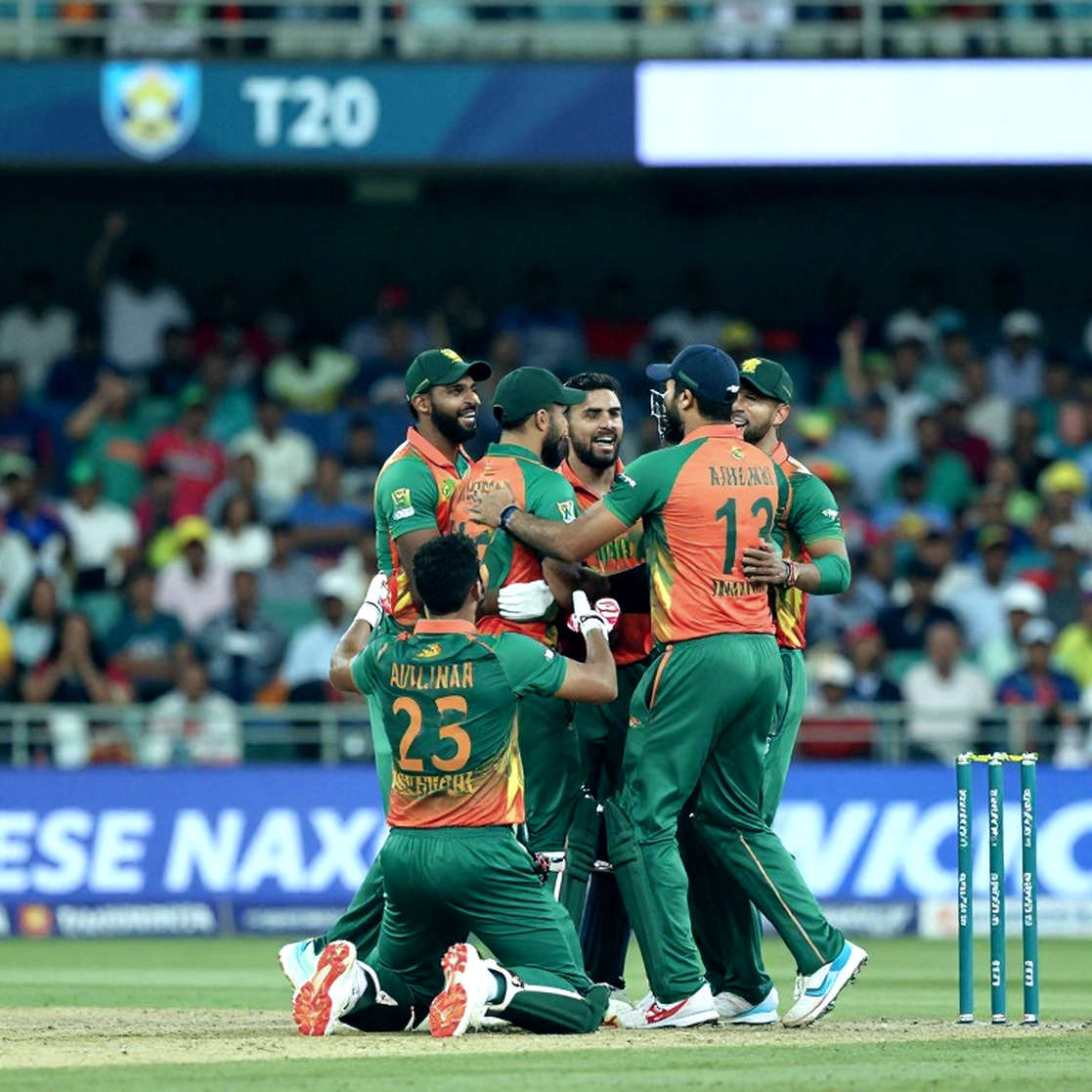
Those 18 wickets on day two deserve a small audit. Late on day one Western Australia were 257 for 1; they declared their second innings at 406 for 5; South Australia made 154; and by the start of day three Western Australia were 79 for 6. Add it up and you get somewhere between 18 and 20 wickets, depending on how many fell in the last few overs of day one. The gap is small and probably an approximation in the report — treat the figure as pending verification. The Lord's summer taught me that lesson; a single run's accounting changed after the fact there too.
The pitch story likely attaches to the same thread. 257 for 1, then a heap of wickets, then 182 for 1 — that is the signature of a surface with early grass and moisture that eases as the sun gets on it. This sits in the realm of inference, because the report carries no pitch report and no word on the toss. If it holds, the fourth-day surface will be the best batting surface of the match.
Adelaide Oval is South Australia's home ground, and home advantage here is structural, not sentimental — how the pitch behaves, the speed of the outfield, the walk from the dressing room, and the local knowledge a touring side only acquires after day one.
Now the decision that is the actual hinge of this match.
Western Australia led by 252 after the first innings. Under MCC Law 14 the follow-on threshold in three- and four-day matches is 150. They were entitled to enforce it. Had they, South Australia would have batted a second time with survival as the only brief — a psychology in which the question of winning never arises. They did not enforce it. They batted again. They were bowled out for 169. And they set 422.
That is where the match turned. South Australia's task shifted from surviving to winning, and the shift came not from a shot but from an administrative-tactical call.
To understand the call you have to look at how the Shield scores. The competition awards bonus points, earned inside the first 100 overs of each first innings. Batting again is therefore not only a match-winning lever but a table-points lever. A tired attack, a day-three pitch still offering something, and bonus points in the ledger — add those three and batting again is defensible. Defensible and correct are not the same thing. They handed South Australia what they should not have handed them: a target, a clock, and a psychological release.
Now the part the headline dropped. The report calls this an epic chase. A target of 422 sits 84 runs below the all-time Sheffield Shield record chase of 506 — made by South Australia themselves in 2026-92. The strongest evidence against calling this chase improbable was printed in the same newspaper that called it improbable. The archive is not neutral; it leans toward whoever kept the notebook.
The day-four forecast helps the argument along. Only light rain is predicted. Light rain does not make a draw; sustained rain does. The report itself concludes the match looked set for a result. The draw probability is therefore materially lower than the dramatic framing implies — a result is the base case, and if a result comes, the weight of it sits with the chasing side.
The attack standing in the way points the same direction. Jhye Richardson, Brendan Doggett and Ashton Agar had already bowled close to a hundred overs between them to build 406. Batting again meant those legs had to go back out; day four means those same legs have to assemble again. Cameron Bancroft and Jayden Goodwin belong to the generation for whom the Shield is the first rung, not the last.
A caution is required here, and it cuts against my own instinct. Harvey's 90 and McSweeney's 57 are one innings each. Careers are not settled by them. And Sheffield Shield form is not a Test yardstick. Four days, 96 overs, bonus points, a thinner squad — that is a domestic architecture. I write this because over the past several years I have watched domestic scores get converted into international verdicts, and the conversion has always been wrong.
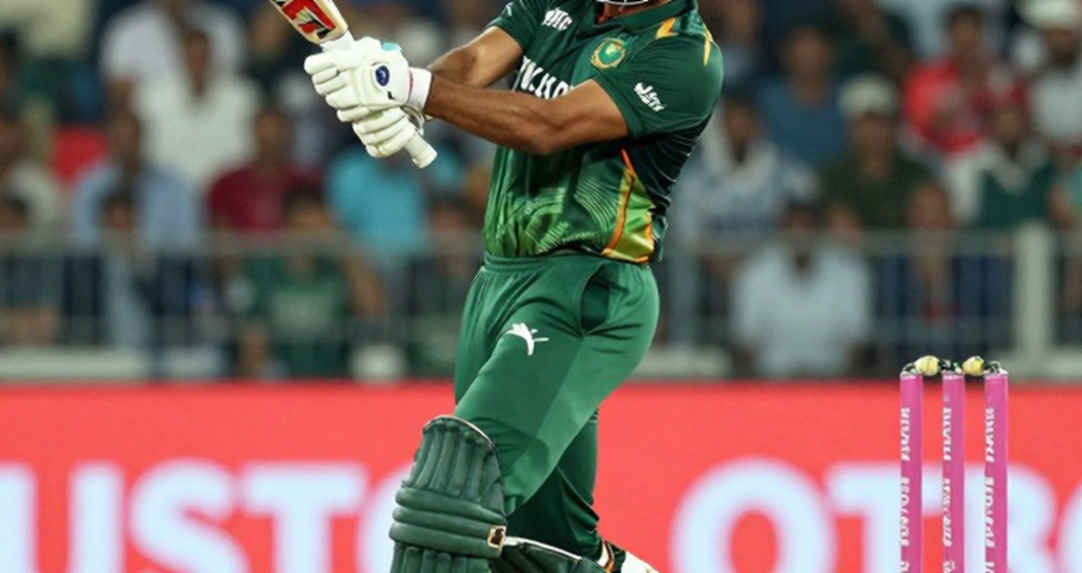
There is another layer to McSweeney. He is captain, batter, and occasional off-spinner. Domestic captaincy is not only field settings — bonus-point arithmetic, declaration timing, bowler workloads, and what state the squad arrives in for the next round all sit on one man's shoulders. While he was making 57 off 132, he was doing two jobs: extending an innings and running a team.
Nine wickets can hide two whole careers inside them. A batter who makes 90 here and never plays a Test, a bowler who takes five and is forgotten, a wicketkeeper whose name stays in the small type at the bottom of the card. I watch this match because it shows the part of cricket the prime-time feed cuts away from.
The work done on the Adelaide Oval pitch at seven in the morning of day four appears on no scorecard. I will not name the curator, because I do not have a verified name, and praise without a name is its own kind of disrespect. I will say this much: if a match reaches a result inside 96 overs, that morning's roller has as much to do with it as the middle of Harvey's bat.
So whose day is the fourth? South Australia need 2.50 an over — 240 runs in 96 overs. The arithmetic is with them, the pitch is with them, the home ground is with them, and so is the call Western Australia made. What is against them is wickets: nine of them, and any one of those can demand an hour of stalling.
I listen for the pause after the crowd, where the real story breathes. The pause here arrives on the fourth morning, before the first ball, when 240 is still only a hope and nine wickets are still only a number. The side that reads that pause owns the match.
Western Australia still have a road: two wickets in the first hour. Then 2.50 becomes 3.5, and the draw's door swings open. Two points and a saved match on the Shield table is not a small thing either. But the question is not whether they survive. The question is whether, on that afternoon with a 252-run lead and the follow-on in their hand, they had considered that this match might still not be theirs.
The archive is not neutral. It leans toward whoever kept the notebook. In mine, tonight, there is one line — an eleven-letter decision, and two and a half runs an over staring back at it.